Friction Stir Welding vs Traditional Methods in Pipeline Girth Applications
Introduction to Pipeline Girth Welding
Overview of Girth Welding Applications
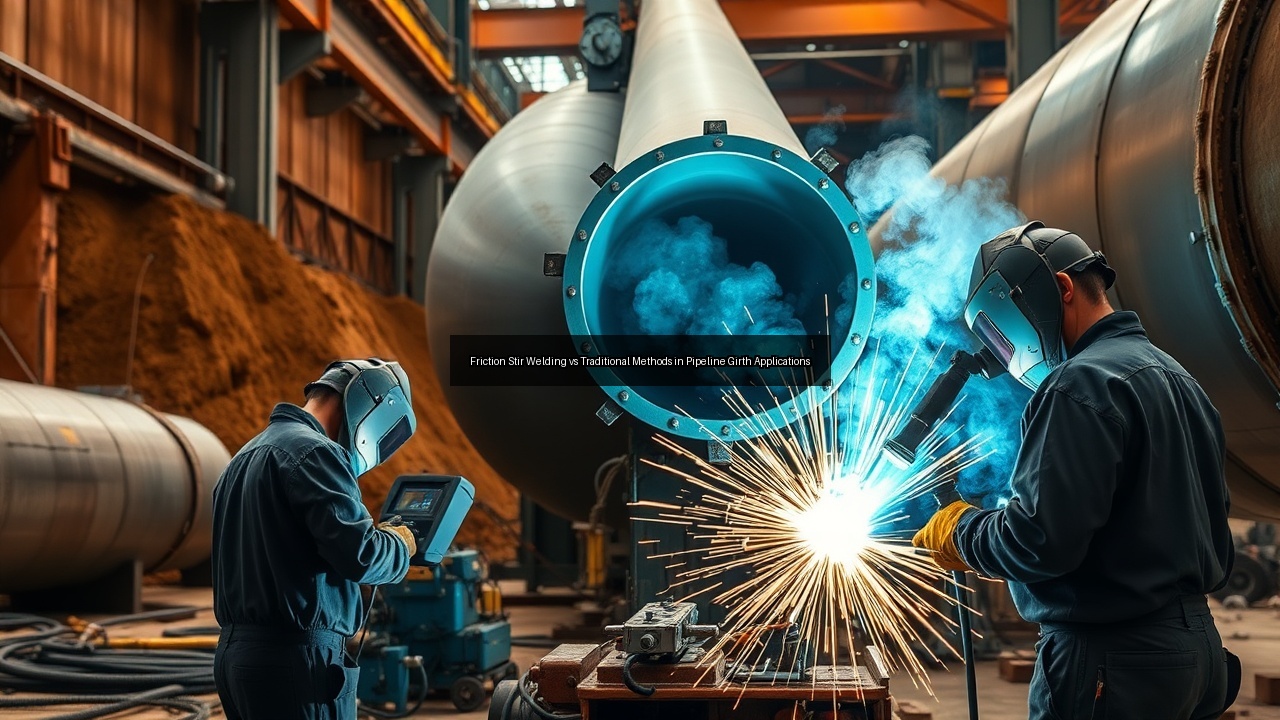
Pipeline girth welding joins sections of pipe end to end during construction of long-distance transmission lines. Crews perform this work on site to create continuous pipelines that transport oil, gas, and water across varied terrain. The process demands precise alignment because each girth weld must withstand internal pressure and external loads over decades. Welders often work in remote locations where weather and access affect productivity. Modern projects incorporate automated systems to maintain consistency across hundreds of joints. Girth welds form the backbone of pipeline integrity, and any flaw can lead to leaks or ruptures that halt operations. Companies specify procedures that cover material grades, wall thickness, and environmental conditions to ensure reliable joints throughout the system.
Importance of Strong Welds in Pipelines
Strong welds determine whether a pipeline operates safely under high pressure and cyclic loading. Weak joints concentrate stress at the root and reduce overall structural performance. Operators rely on these connections to prevent environmental incidents and costly downtime. Strength comes from proper fusion, controlled heat input, and suitable filler materials when required. In high-consequence areas, engineers demand welds that exceed minimum code requirements. Every welder must follow qualified procedures that account for pipe diameter, steel grade, and service conditions. Thorough weld inspection verifies that each joint meets acceptance criteria before burial or commissioning. Reliable pipeline girth welding supports energy infrastructure and protects surrounding communities.
Traditional Welding Methods in Pipeline Girth Applications
Common Techniques Used
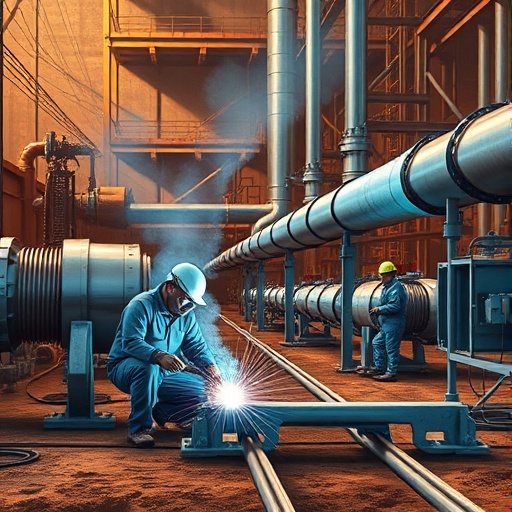
Shielded metal arc welding and gas metal arc welding remain the dominant processes for pipeline girth applications. Welders deposit multiple passes to fill the joint groove, starting with a root pass that seals the pipe interior. Cellulosic electrodes suit downhill welding on larger diameters because they produce fast-freezing slag and deep penetration. Submerged arc welding appears on some mechanized setups for fill and cap passes when the pipe lies in a fixed position. Each technique requires specific joint preparation, including bevel angles and root gaps. Construction crews select processes based on productivity targets, welder skill levels, and project schedules. Traditional methods accommodate a wide range of pipe steels and diameters common in pipeline construction.
Advantages and Disadvantages of Conventional Welding
Conventional welding offers flexibility because equipment travels easily to remote spreads and works on most pipe materials. Welders can complete joints quickly once procedures are qualified. However, these methods introduce significant heat that creates wide heat-affected zones and potential distortion. Hydrogen cracking risks rise with higher strength steels unless preheat and interpass temperatures stay controlled. Rework rates increase when porosity or lack of fusion appears during welding inspection. Skilled labor shortages also limit output on large projects. Despite these drawbacks, traditional processes maintain broad acceptance because extensive industry experience supports their use across many pipeline girth weld applications.
Weld Inspection Techniques for Traditional Methods
Visual examination precedes more advanced weld inspection steps on every girth weld. Radiography detects volumetric flaws such as porosity and slag inclusions. Ultrasonic testing identifies planar defects like lack of sidewall fusion that radiography might miss. Magnetic particle inspection reveals surface-breaking cracks on ferromagnetic pipes. Weld inspection crews follow written procedures that define acceptance criteria and reporting formats. Non-destructive testing occurs after each weld cools and before the next section moves forward. Documentation supports traceability and helps operators manage long-term integrity programs. Consistent application of these techniques reduces the chance that defective welds enter service.
Friction Stir Welding: A Modern Approach
Principles of Friction Stir Welding
Friction stir welding generates heat through friction between a rotating tool and the pipe material without melting the base metal. The tool plunges into the joint line and travels around the circumference while stirring softened material to create a solid-state bond. No filler metal or shielding gas is required. The process produces a recrystallized microstructure that often exhibits superior mechanical properties compared with fusion welds. Temperature stays below the melting point, which limits residual stress and distortion. Equipment must clamp the pipe ends rigidly to resist the high forces generated during the weld. Operators monitor tool rotation speed, travel speed, and axial force to maintain consistent quality around the entire girth.
Benefits of Friction Stir Welding for Pipeline Girth Applications
Friction stir welding delivers narrow heat-affected zones and excellent weld strength because the solid-state mechanism avoids solidification defects. The process reduces hydrogen cracking concerns and often eliminates the need for preheat on many grades. Welds show improved fatigue performance under cyclic pressure loading. Fewer passes mean shorter cycle times once the machine is set up. Reduced distortion helps maintain pipe ovality during subsequent construction activities. The absence of spatter and fumes improves welder safety and environmental conditions on the right-of-way. These advantages make friction stir welding attractive for new pipeline projects that prioritize long-term integrity and lower maintenance costs.
Temperature Control and its Effect on Weld Strength
Precise temperature control governs the quality of friction stir welds in pipeline girth applications. Peak temperatures typically range between 70 and 90 percent of the melting point, sufficient to plasticize the material yet low enough to retain fine grain structure. Thermocouples or infrared sensors mounted near the tool monitor conditions in real time. Excessive heat softens the material too much and reduces joint strength, while insufficient heat causes tool wear or incomplete consolidation at the root. Stable temperature profiles produce welds with tensile strength matching or exceeding the base metal. Engineers adjust parameters for different wall thicknesses and alloy compositions to maintain optimal conditions throughout the weld.
Comparison of Friction Stir Welding and Traditional Methods
Weldability of Materials: Stainless Steel vs. Plastic
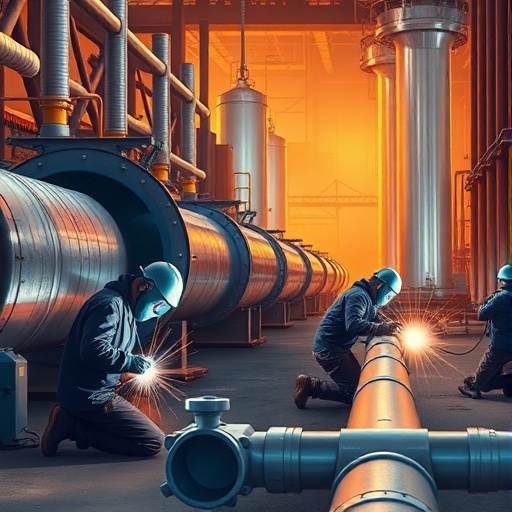
Stainless steel pipelines benefit from friction stir welding because the low heat input preserves corrosion resistance and avoids sensitization in the heat-affected zone. Traditional arc processes often require post-weld heat treatment to restore properties. Plastic pipelines, however, rely on electrofusion or butt fusion rather than either metal welding method. The scope of friction stir welding therefore focuses on metallic systems where high weldability and strength matter most. Stainless steel responds well to the solid-state process, yielding joints with uniform properties. Conventional welding still dominates carbon steel pipelines due to established procedures and equipment availability, yet friction stir welding expands options for demanding applications.
Corrosion Resistance and Durability of Welds
Corrosion performance hinges on microstructure and residual stress. Friction stir welds in stainless steel retain original corrosion resistance because the process avoids chromium carbide precipitation. Traditional welds can suffer from heat tint and sensitization unless operators apply proper shielding and cleaning. Both methods require coatings and cathodic protection on buried pipelines, yet the narrower heat-affected zone of friction stir welding reduces sites for localized attack. Durability improves when welds exhibit higher toughness and fatigue resistance. Long-term exposure tests show solid-state joints maintain integrity under aggressive soil conditions. Pipeline operators evaluate both approaches during material selection to balance initial cost against lifecycle corrosion management.
Non-Destructive Testing: Ultrasonic Inspection vs. Traditional Methods
Ultrasonic inspection adapts readily to friction stir welds because the fine, equiaxed grain structure produces lower noise levels than cast weld metal. Phased-array ultrasonic testing maps the entire weld volume and detects lack of consolidation at the root with high reliability. Traditional arc welds require multiple ultrasonic techniques or radiography to cover volumetric and planar flaws. Non-destructive testing protocols for friction stir welding emphasize probe positioning and calibration on reference blocks that simulate expected defects. Weld inspection crews report faster scan times and clearer images on solid-state joints. Both ultrasonic testing and conventional radiography remain valid, yet the choice depends on weld type, access, and code requirements for pipeline girth weld inspection.
Conclusion and Future of Pipeline Girth Welding
Emerging Trends in Girth Weld Procedures
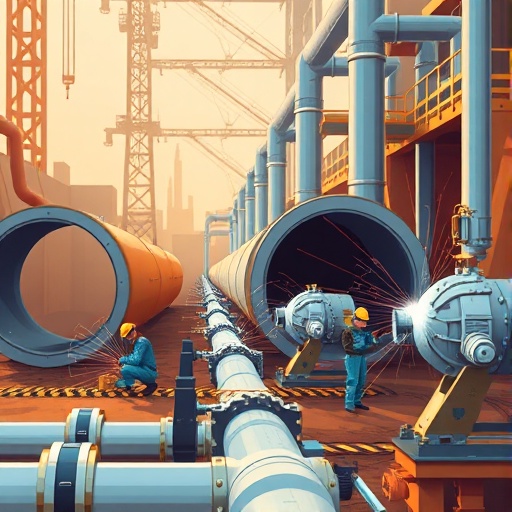
Automated friction stir welding machines now appear on several major pipeline spreads, reducing dependence on manual welder availability. Hybrid approaches combine arc root passes with friction stir fill passes to leverage strengths of both methods. Digital monitoring systems record every parameter during pipeline girth welding and feed data into integrity databases. New tool materials extend service life on high-strength steels. Qualification standards evolve to include solid-state processes alongside established arc procedures. These trends point toward increased adoption where projects value speed, repeatability, and reduced repair rates.
The Role of Inspection in Ensuring Weld Integrity
Weld inspection remains the final gatekeeper before a pipeline enters service. Non-destructive testing confirms that every girth weld meets strength and toughness requirements. Ultrasonic testing and phased-array methods provide volumetric coverage that radiography alone cannot achieve on thick walls. Inspection data drives decisions about repair, cut-out, or acceptance. Operators integrate results into risk models that guide future maintenance. Consistent application of weld inspection protocols protects both the asset and the surrounding environment throughout the pipeline life cycle.
Literature Review on Advances in Pipeline Welding Techniques
Recent literature highlights friction stir welding trials on X70 and X80 pipe steels that achieved tensile strengths above base metal values. Studies compare residual stress distributions between arc and solid-state welds, showing lower tensile residuals after friction stir processing. Research on ultrasonic testing of girth welds documents improved probability of detection for planar flaws. Papers also address temperature modeling that predicts optimal parameters for different wall thicknesses. Collectively, the literature supports continued development of friction stir welding for pipeline construction while recognizing the continued role of traditional methods on many projects. Platinum-based sensors appear in some laboratory setups to refine temperature measurement during process development.