Innovations in Flexible Heating Solutions for the Electronics Industry
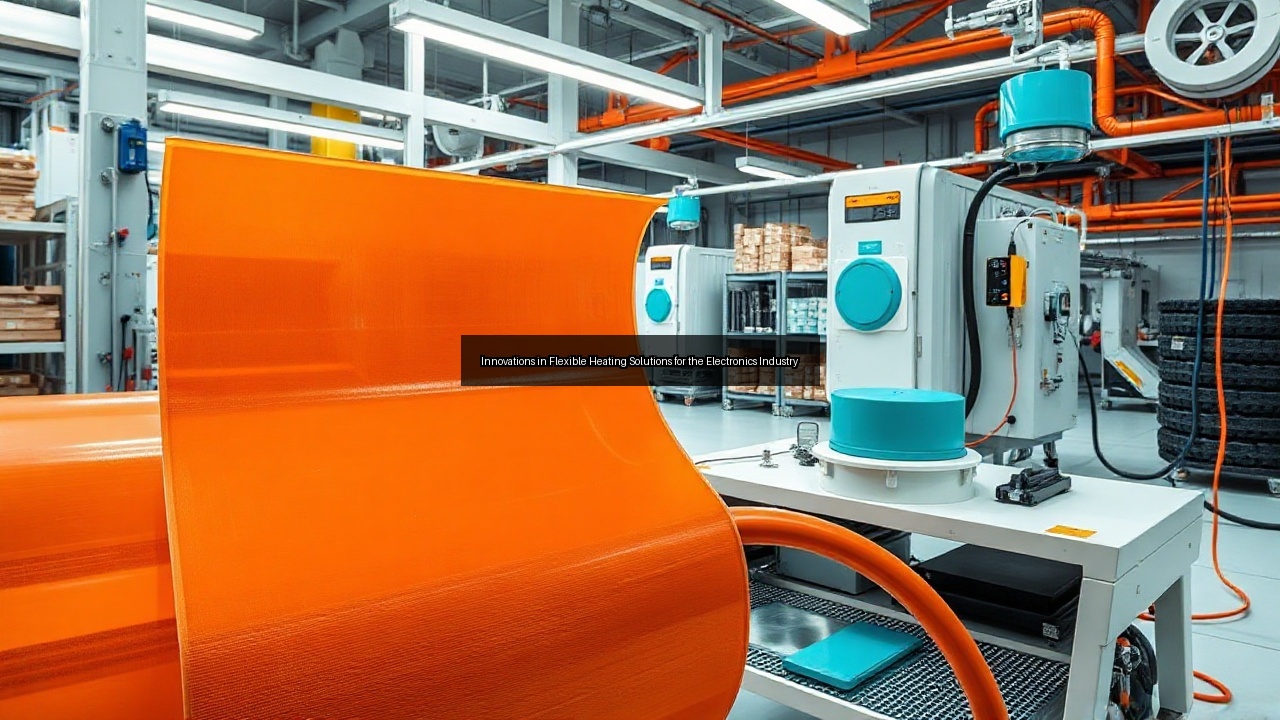
Understanding Flexible Heating Solutions in the Electronics Industry
The Role of Flexible Heaters in Modern Electronics
Flexible heaters play a crucial role in the electronics industry by delivering consistent and efficient heating solutions tailored for various applications. These heaters adapt seamlessly to the contours of electronic devices, ensuring even heat distribution. Unlike traditional rigid heating elements, flexible heaters offer the advantage of lightweight and compact designs, making them ideal for integration into space-constrained environments. Industries such as aerospace, automotive, and consumer electronics rely heavily on flexible heating solutions to maintain optimal operating temperatures and enhance product performance. The versatility of flexible heaters contributes significantly to innovation, allowing manufacturers to develop products that meet the increasingly complex demands of modern technology.
Key Properties of Flexible Heating Elements
Flexible heating elements exhibit several key properties that make them indispensable in various applications. High flexibility allows these heaters to conform to irregular shapes without compromising performance, making them suitable for a wide range of devices. They also boast excellent thermal conductivity, ensuring quick heat transfer for effective heating. Additionally, flexible heaters operate efficiently across a broad temperature range, accommodating different operational conditions. Durability is another critical property; many flexible heating elements are resistant to moisture, chemicals, and mechanical stress, ensuring long-lasting performance even in challenging environments. These attributes collectively enhance the reliability and functionality of electronic devices that incorporate flexible heating solutions.
Materials Used in Flexible Heaters: Kapton, Silicone Rubber, and Teflon
The choice of materials significantly influences the performance and application of flexible heaters. Kapton, a polyimide film, is widely used due to its ability to withstand extreme temperatures and its excellent electrical insulation properties. Silicone rubber is another popular material, known for its flexibility and durability, making it ideal for applications requiring bending and twisting. Teflon, with its low friction and non-stick characteristics, finds applications in environments where chemical resistance is paramount. Additionally, materials like FEP (fluorinated ethylene propylene) are gaining traction for their thermal stability and flexibility. Each of these materials plays a distinct role in enhancing the efficiency and effectiveness of flexible heating solutions, catering to the diverse needs of the electronics industry.
Innovative Technologies Driving Flexible Heater Development
Integration of Flexible Circuits in Heating Applications
The integration of flexible circuits in heating applications marks a significant advancement in flexible heater technology. Flexible circuits allow for the embedding of heating elements directly into the circuitry of electronic devices, providing a compact and efficient solution for thermal management. This integration supports the development of multifunctional devices that can both heat and perform other electronic functions simultaneously, maximizing space and enhancing performance. Companies like Minco have pioneered this technology, enabling designers to create innovative products that meet the demands of modern electronics. As flexible circuits continue to evolve, their incorporation into flexible heating solutions will drive further advancements in design and functionality, paving the way for smarter and more efficient electronics.
Utilizing Thermocouples for Enhanced Temperature Control
Thermocouples play a vital role in enhancing the temperature control of flexible heaters. These sensors detect temperature changes and provide real-time feedback, allowing for precise heating adjustments. By integrating thermocouples into flexible heating elements, manufacturers can create responsive systems that maintain optimal temperatures even under varying operating conditions. This integration ensures that electronic devices perform efficiently and reduces the risk of overheating or underheating. Thermocouples also enable the implementation of advanced control algorithms that enhance the overall performance of heating systems. As technology progresses, the synergy between thermocouples and flexible heaters will lead to improved thermal management solutions across various industries.
Advancements in Electric Heating: Ohm's Law and Its Applications
Electric heating technologies continue to advance, driven by principles such as Ohm's Law. Understanding the relationship between voltage, current, and resistance allows engineers to design more efficient heating systems. Flexible heaters benefit from these advancements by optimizing their electrical characteristics, ensuring minimal energy loss and maximum heat output. Engineers can utilize calculators based on Ohm's Law to determine the appropriate specifications for flexible heating elements, tailoring them to specific applications. This scientific approach not only improves the efficiency of electric heaters but also contributes to their longevity and reliability. As the electronics industry demands more efficient heating solutions, leveraging Ohm's Law will remain pivotal in the development of innovative flexible heaters.
Applications and Benefits of Flexible Heaters
Military Applications: The Need for Reliable and Flexible Heating Solutions
Military applications require robust and reliable heating solutions to ensure equipment operates effectively in extreme conditions. Flexible heaters meet these demands by providing lightweight, compact, and resilient heating solutions. They can be easily integrated into various military gear, including uniforms, vehicle components, and communication devices, ensuring reliable performance in harsh environments. The flexibility of these heaters allows for customization, adapting to different shapes and sizes, which is crucial for military applications where space and weight are often limited. By providing consistent heating, flexible heaters enhance the performance and usability of military equipment, significantly improving operational effectiveness in the field.
Design Considerations for Effective Flex Heaters
Designing effective flexible heaters involves several critical considerations. Engineers must account for the intended application, ensuring that the heater's specifications align with performance requirements. Factors such as temperature range, flexibility, and durability play a significant role in the design process. Proper material selection is essential; using the right combination of Kapton, silicone rubber, or Teflon can significantly impact the heater's effectiveness. Additionally, engineers should consider the integration of sensors, such as thermocouples, for flexibility in heating enhanced temperature control. By focusing on these design elements, manufacturers can create flexible heaters that not only meet but exceed expectations in terms of performance and reliability.
Comparative Analysis of Flexible Heating Solutions in Various Industries
A comparative analysis of flexible heating solutions reveals their versatility across different industries. In the automotive sector, flexible heaters enhance the efficiency of battery management systems by maintaining optimal temperatures. In the aerospace industry, they provide essential heating for components exposed to extreme environmental conditions. Consumer electronics benefit from the compact design of flexible heaters, allowing for innovative product designs without sacrificing performance. Each industry presents unique challenges and requirements, but flexible heating solutions consistently deliver reliable performance. As technology progresses, the adaptability of flexible heaters will continue to play a vital role in meeting the diverse needs of various sectors.
Future Trends and Challenges in Flexible Heating Solutions
Sustainable Materials and Their Impact on Heater Performance
The shift towards sustainability is influencing the development of flexible heating solutions. Manufacturers are exploring eco-friendly materials that maintain performance while reducing environmental impact. Sustainable materials can enhance the durability and efficiency of heaters, aligning with growing consumer demand for environmentally responsible products. However, challenges remain in ensuring that these materials can withstand the same conditions as traditional options. Research and development in this area will focus on balancing sustainability with performance, paving the way for future innovations in flexible heaters that not only meet industry standards but also contribute positively to the environment.
Emerging Technologies in Sensor Integration for Smart Heating
Emerging technologies in sensor integration are revolutionizing the capabilities of flexible heaters. The development of smart heating solutions incorporates advanced sensors that provide real-time data and analytics, allowing for adaptive heating based on environmental conditions. These technologies enable manufacturers to create more responsive and efficient heating systems that enhance user experience and energy efficiency. The integration of IoT (Internet of Things) capabilities will further enhance this trend, allowing users to monitor and control heating solutions remotely. As sensor technology advances, the future of flexible heaters will increasingly focus on creating smarter, more connected heating solutions that cater to the evolving demands of the electronics industry.
The Role of Engineering in the Evolution of Flexible Heaters
Engineering plays a pivotal role in the evolution of flexible heaters, driving innovation and improving performance. Engineers continuously explore new materials, designs, and technologies to enhance the functionality and efficiency of flexible heating solutions. Their expertise ensures that flexible heaters meet the rigorous demands of modern applications while adhering to safety and quality standards. As industries evolve, engineers will be at the forefront of developing flexible heaters that not only address current challenges but also anticipate future needs. The ongoing collaboration between engineering and technology will shape the future landscape of flexible heating solutions, leading to groundbreaking advancements that redefine what is possible.